Updated September 2026: This guide has been expanded with a month-by-month look at Peninsula Papagayo’s seasons, including our favorite times to visit and what to consider when planning holiday travel.
When is the best time to visit Peninsula Papagayo? It’s one of the questions we hear most often, and my answer isn’t necessarily December through April simply because that’s Costa Rica’s dry season.
Peninsula Papagayo can be wonderful throughout the year, but it feels different from one season — and sometimes one month — to another. The best time for your trip depends on what matters most to you: reliably sunny weather, lush green scenery, fewer visitors, villa availability, value, school vacations or spending the holidays in Costa Rica. Having lived in Costa Rica and spent years helping guests plan vacations at Peninsula Papagayo, I actually have a couple of favorite months that fall outside the traditional peak season: November is one of them, and July is another.
Here’s what I would consider when deciding when to visit.
First, Understand Peninsula Papagayo’s Two Seasons
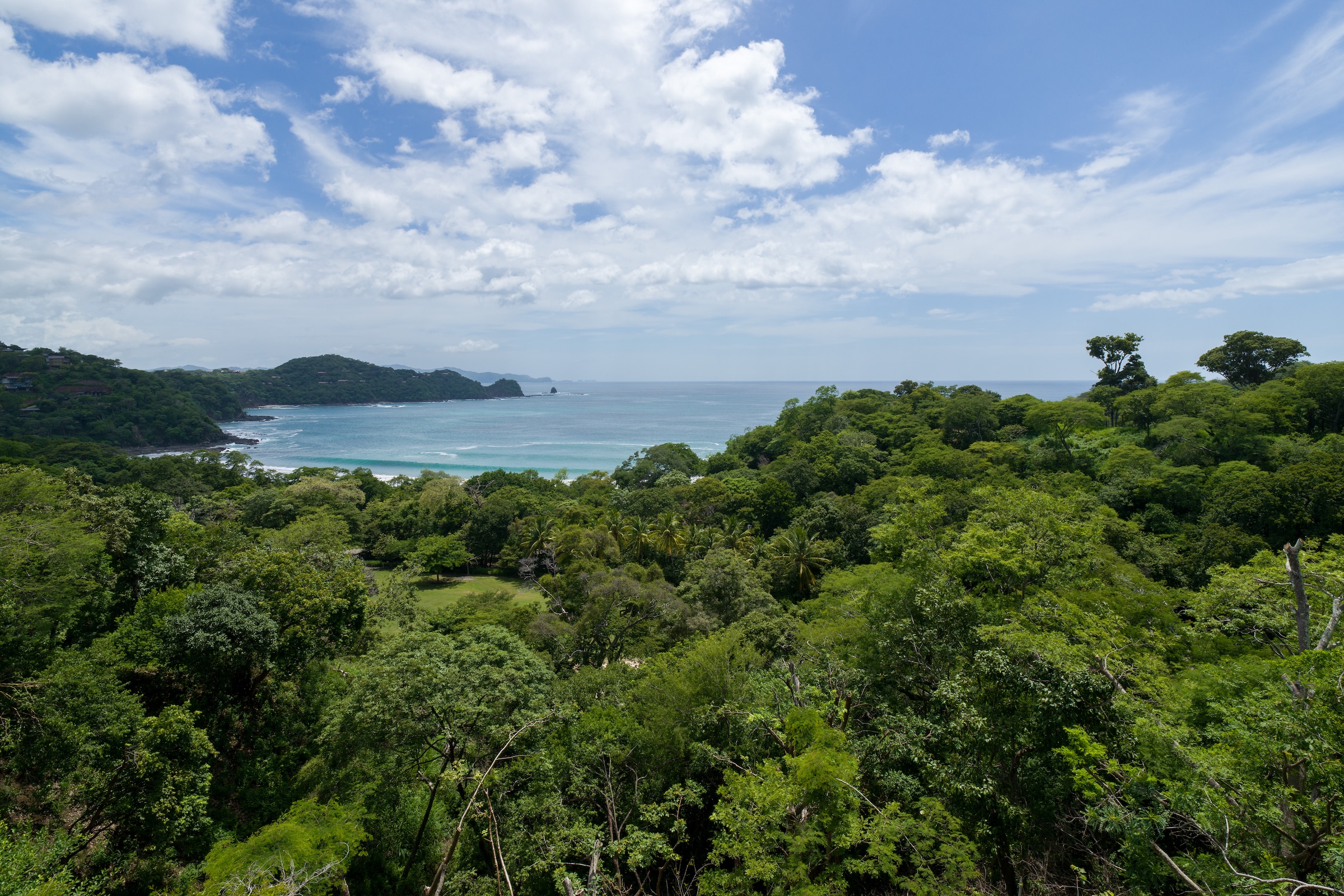
Costa Rica doesn’t have four seasons in the traditional sense. When looking at Peninsula Papagayo weather, it’s important to remember that the resort is in Guanacaste, one of Costa Rica’s tropical dry-forest regions. In Guanacaste, it’s more useful to think in terms of dry season and green season, with transition periods between them. The dry period generally runs from December through March, with April transitioning into the rains. Green season begins around May, September and October are typically among the wetter months, and November marks the transition back toward dry season. July and August can also bring a relative decrease in rainfall known as veranillo, or “little summer.”
That doesn’t mean every dry-season day is perfectly sunny or that every green-season day is rainy. Tropical weather doesn’t work quite that neatly, and forecasts can make green season look considerably worse than the actual vacation experience. It also helps to remember that Peninsula Papagayo is in Guanacaste, one of Costa Rica’s tropical dry-forest regions. Advice about weather in Arenal, Manuel Antonio, the Osa Peninsula or the Caribbean coast doesn’t necessarily describe what you’ll experience in Papagayo.
December Through March: Dry Season
If your priority is the greatest likelihood of sunny, dry days, December through March is the easiest answer. These are classic Guanacaste dry-season months, with warm temperatures, abundant sunshine and very little rainfall. It’s an excellent time for beach days, boating, golf, fishing and simply spending long days around the villa pool, but it’s also when many travelers are trying to escape winter elsewhere, so demand can be high.
January, February and March offer much of the weather people imagine when they picture Guanacaste: blue skies, sunshine and very little rain. As the dry season progresses, however, the landscape becomes progressively drier. By March, the hills won’t necessarily have the lush green appearance you see in photographs taken during green season, so there is a tradeoff between the driest weather and the greenest scenery.
Best for: Travelers prioritizing dry weather, winter escapes, beach vacations and outdoor activities.
Keep in mind: Higher demand and rates, particularly around holidays and popular school vacation periods.
April: Hot, Sunny and Beginning to Change
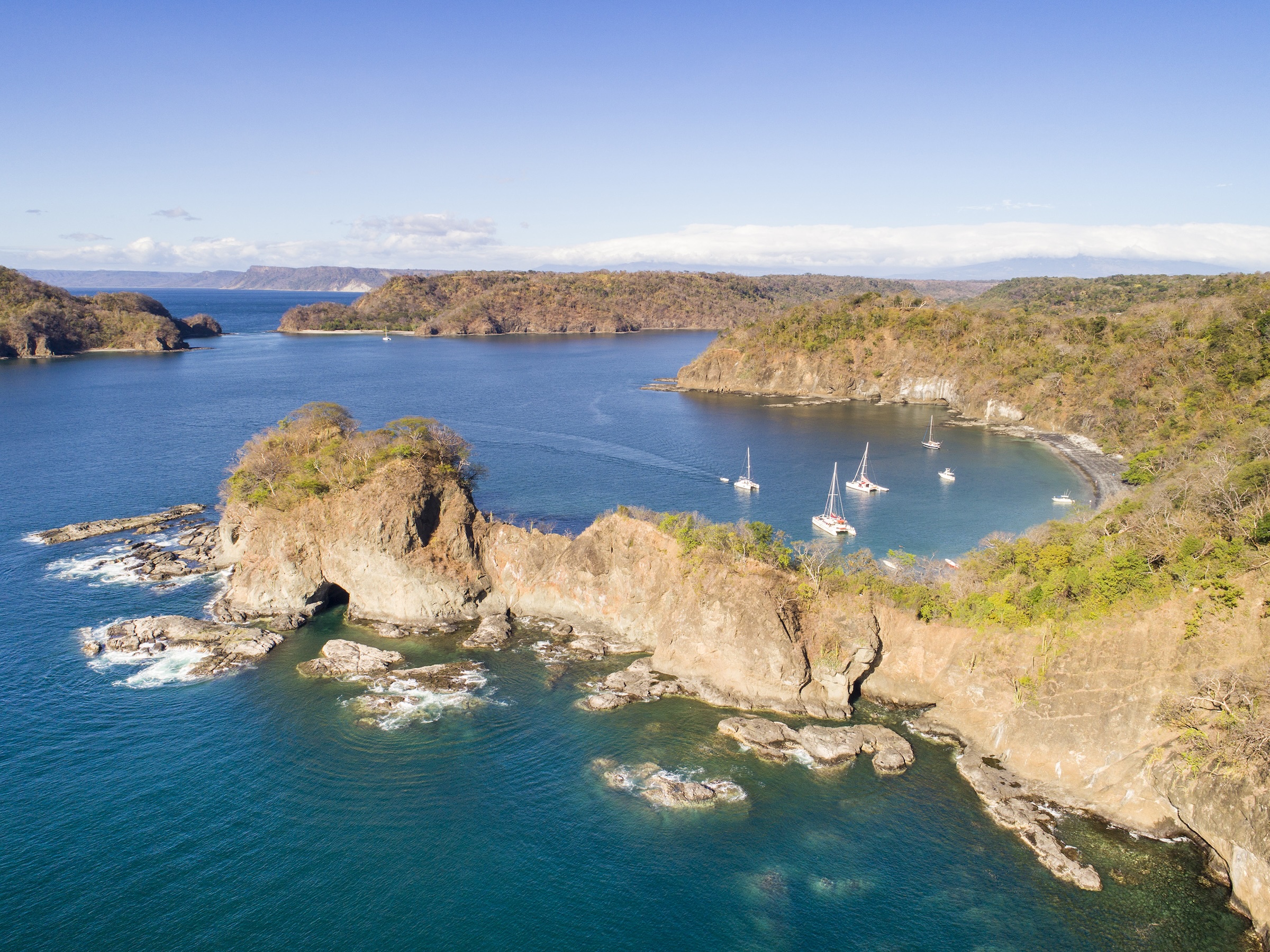
April is a transition month in Guanacaste. It can still feel very much like dry season, particularly early in the month, but it’s also one of the hotter times of year and the landscape has usually had several months without substantial rain. Toward the end of April, you may begin to see the first rains, and after months of dry weather, it’s remarkable how quickly the landscape starts responding once the rain returns.
Easter and Semana Santa can affect demand depending on where they fall on the calendar, so I would treat Easter week differently from an ordinary April week when considering villa availability.
Best for: Travelers who like heat, sunshine and late dry-season conditions.
May and June: The Green Returns
May is when the transformation begins. The rains return, the landscape starts turning green again and Peninsula Papagayo begins to look very different from late dry season. “Rainy season” can be an unfortunate description from a travel perspective because people sometimes imagine days of nonstop rain, when green-season weather can instead mean sunny or partly sunny periods followed by showers later in the day.
May and June can be particularly appealing if you don’t need your vacation to come with a guarantee of cloudless skies from sunrise to sunset. The landscape is lush, there are generally fewer visitors than during peak winter weeks, and villa pricing and availability may be more favorable depending on the property and dates.
Best for: Green scenery, greater flexibility and travelers comfortable with some rain.

July: One of My Favorite Times to Visit Peninsula Papagayo
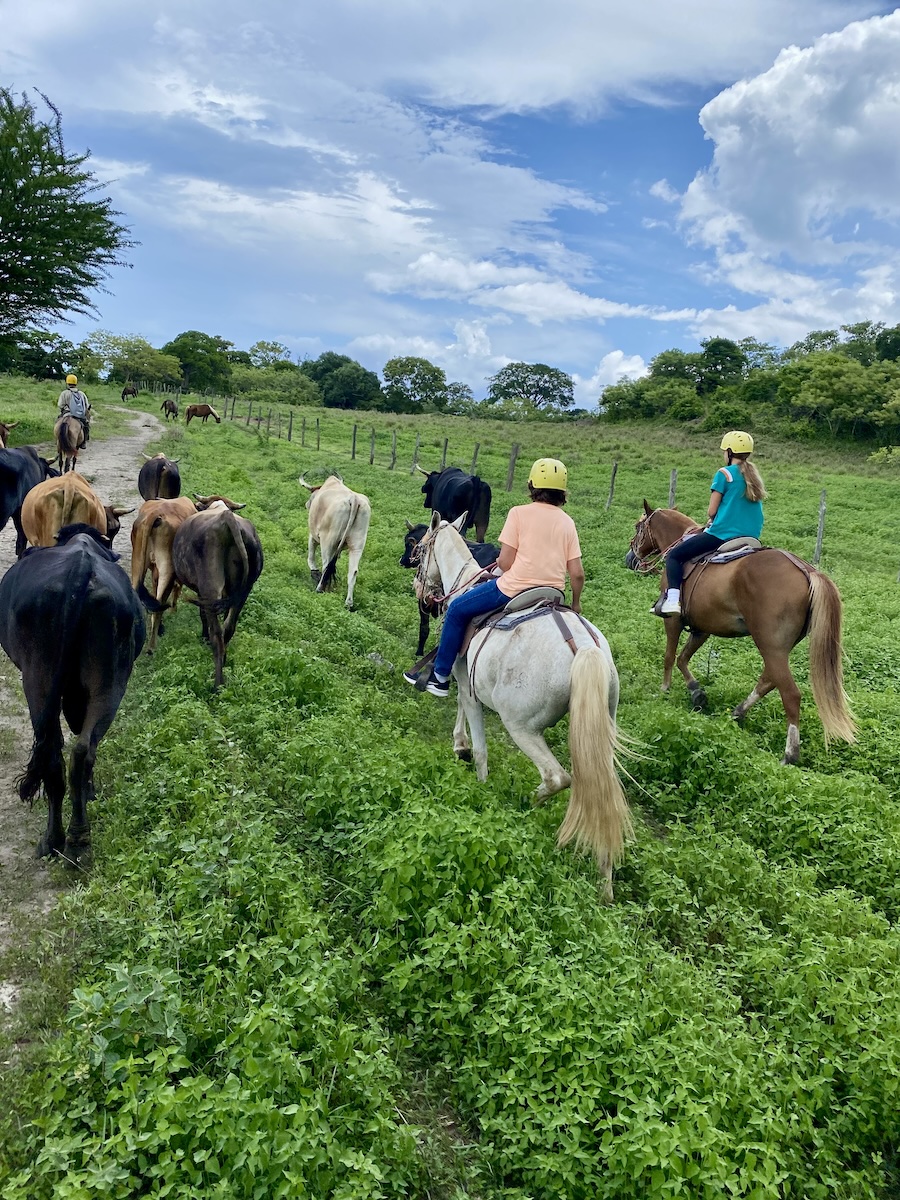
July is one of my personal favorite months at Peninsula Papagayo. Technically, July falls within green season, but Guanacaste frequently experiences the veranillo — literally “little summer” — during July and into August, when rainfall temporarily decreases.
What I particularly like is the combination. You get the green landscape of rainy season without necessarily experiencing the wetter conditions associated with September and October. For families tied to the school calendar, that can make July an especially attractive time to consider Costa Rica.
There may still be rain — this is the tropics, after all — but I wouldn’t dismiss July simply because an online weather chart labels it “rainy season.” It can be a wonderful time for beaches, boating, pools and outdoor activities, while the landscape is considerably greener than it is during the heart of dry season.
Best for: Summer family vacations, green scenery and travelers looking for a balance between dry- and green-season experiences.
August: Green Season Continues
August remains part of green season and can still benefit from the relative decrease in rainfall associated with Guanacaste’s veranillo, although conditions can begin moving toward the wetter part of the year as the month progresses. For travelers who aren’t bothered by occasional rain, August can still be a very enjoyable time to visit. The Peninsula remains lush, and families traveling before school resumes may find it a useful alternative to peak winter dates.
As with all green-season travel, I wouldn’t plan the entire vacation around a weather app. Tropical forecasts frequently show a chance of rain day after day without telling you whether that means a brief afternoon shower or a genuinely rainy day.
September and October: The Wettest Time of Year
If weather is your primary consideration, September and October are the two months I would approach most carefully. These are typically among the rainiest months on Costa Rica’s Pacific side, so you’re accepting a greater likelihood of rain and less predictable outdoor plans.
That doesn’t mean you can’t have a wonderful vacation. The Peninsula is beautifully green, there are fewer visitors, and there can still be periods of sunshine. For travelers who primarily want to relax in a beautiful villa, enjoy the resort when weather permits and don’t mind changing plans, the tradeoff can be worthwhile. If your dream vacation requires seven consecutive days of beach, boating and reliably sunny weather, however, I’d choose another time of year.
Best for: Travelers prioritizing quiet, greenery and flexibility over predictable sunshine.
November: Perhaps My Favorite Month at Peninsula Papagayo
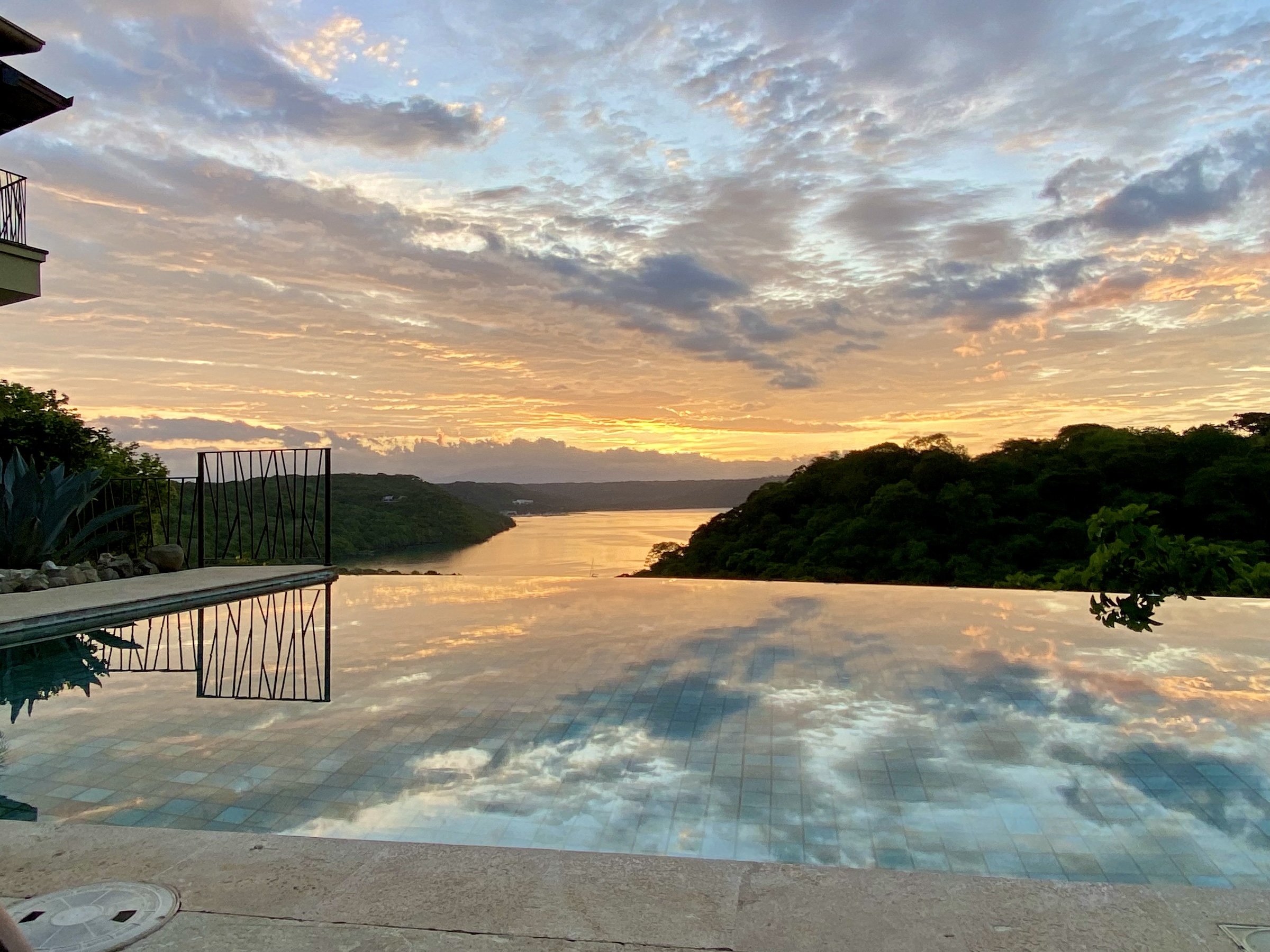
If you ask me personally when I love Peninsula Papagayo most, November is very difficult to beat. It’s the transition from green season toward dry season in Guanacaste, and while the exact timing varies from year to year, November can offer a combination I particularly love: the landscape is still beautifully green after months of rain, while conditions are beginning to move toward the sunnier months ahead.
Early and mid-November also come before the Christmas and New Year’s Festive rush, so they can feel very different from late December in terms of both the overall pace and demand for villas. Thanksgiving week is the exception. It’s a popular family travel period, so if you’re considering Thanksgiving at Peninsula Papagayo, I recommend planning well ahead, particularly if you want a specific villa, private chef, boat charter or other services.
For guests who have flexibility outside the traditional school calendar, November would be very high on my list.
Best for: Lush scenery, shoulder-season travel and guests who want to visit before peak Festive Season.
What About Thanksgiving, Christmas and New Year’s?
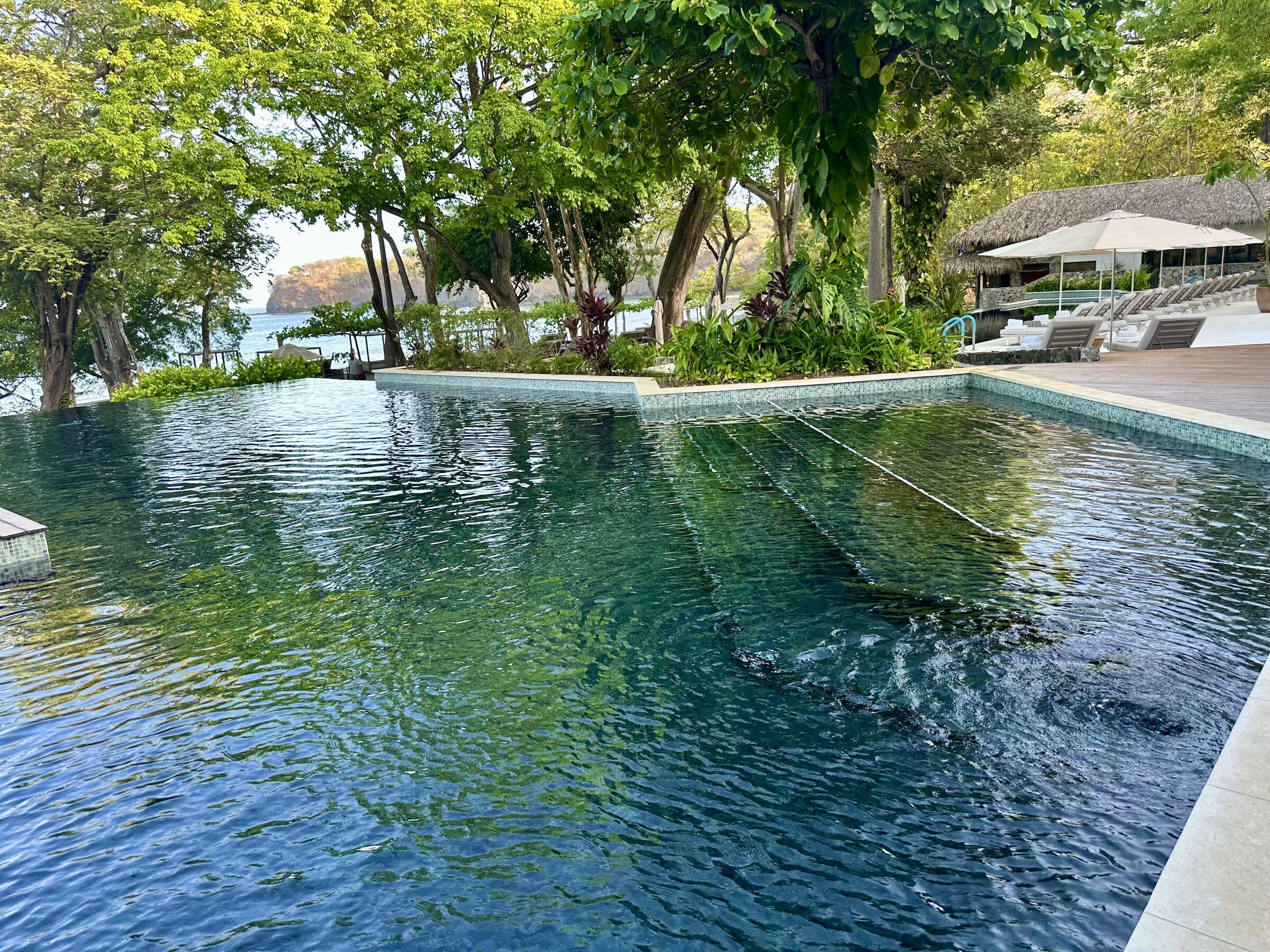
Holiday weeks need to be considered separately from the rest of the season. Thanksgiving falls during one of my favorite times of year at Peninsula Papagayo, but demand is higher than during the surrounding November weeks. It’s particularly appealing for families and multigenerational groups who want to gather in one place without someone having to host everyone at home. A private villa also makes it possible to have Thanksgiving dinner prepared by a chef while different generations spend the week doing as much — or as little — together as they like.
Christmas and New Year’s, generally referred to as Festive Season, are among the most sought-after dates of the year. They combine the beginning of Guanacaste’s dry season with peak holiday demand, so villas can book far in advance, premium rates and minimum stays may apply, and private chefs, boats, restaurants, spa appointments and other popular experiences should be planned early.
If you’re considering any of these holiday weeks, I would choose the dates because you specifically want the holiday experience rather than because you’re looking for value or flexibility. We have separate guides with much more information about planning each of these periods.
→ READ OUR FESTIVE SEASON GUIDE
When Is the Best Value at Peninsula Papagayo?
There isn’t one universal low-season rate because Peninsula Papagayo’s private villas are individually owned and priced. Owners make their own decisions about rates and availability, so pricing can vary considerably from one home to another. Generally, dates outside peak winter and holiday periods may offer more flexibility and potentially better value.
If your travel dates are flexible, tell us. Sometimes moving a vacation by even a week can open up a very different selection of villas and rates, so it’s more useful to compare the actual options for your dates than to assume a particular month will always be less expensive.
So, When Is the Best Time to Visit Peninsula Papagayo?
If your number-one priority is the greatest likelihood of dry, sunny weather, I would look at January through March. If you want green scenery and a summer family vacation, I particularly like July. And if you have flexibility and want lush landscapes as Guanacaste transitions toward dry season, November is one of my personal favorites.
If you want to spend Thanksgiving, Christmas or New Year’s in Costa Rica, Peninsula Papagayo can be wonderful, but those weeks should be planned well in advance. Travelers looking for greater flexibility or potential value who don’t mind some rain may want to consider May, June, August or other green-season dates.
Ultimately, I wouldn’t choose your dates based solely on which month has the lowest average rainfall. Think about the landscape you want to see, the activities you hope to do, your tolerance for occasional rain, your budget and how flexible you are about villa selection. The best time to visit Peninsula Papagayo is the time that best matches the vacation you want to have.
Planning a Trip to Peninsula Papagayo?
If you’re deciding when to visit, tell us your approximate dates, number of adults and children, preferred bedroom configuration and what matters most to your family. If your dates are flexible, let us know that too. We can help you compare the villas available during your travel window and explain the differences in location, amenities, bedroom configurations and resort access so you can choose the home that best fits your trip.
Weather patterns vary from year to year, and no particular conditions can be guaranteed. Villa rates, availability, minimum stays, amenities and resort access policies vary by property and travel dates.